
I remember asking ‘Why’ countless times as a child and I knew better than to push after the comment ’curiosity killed the cat’ only one day I asked ‘whose cat,cause ours is still alive’. Curious I thought whose cat was dead and how did it happen, most importantly how did curiosity kill it. Mother shook her head and told me to go shoo. Too many questions she said😉
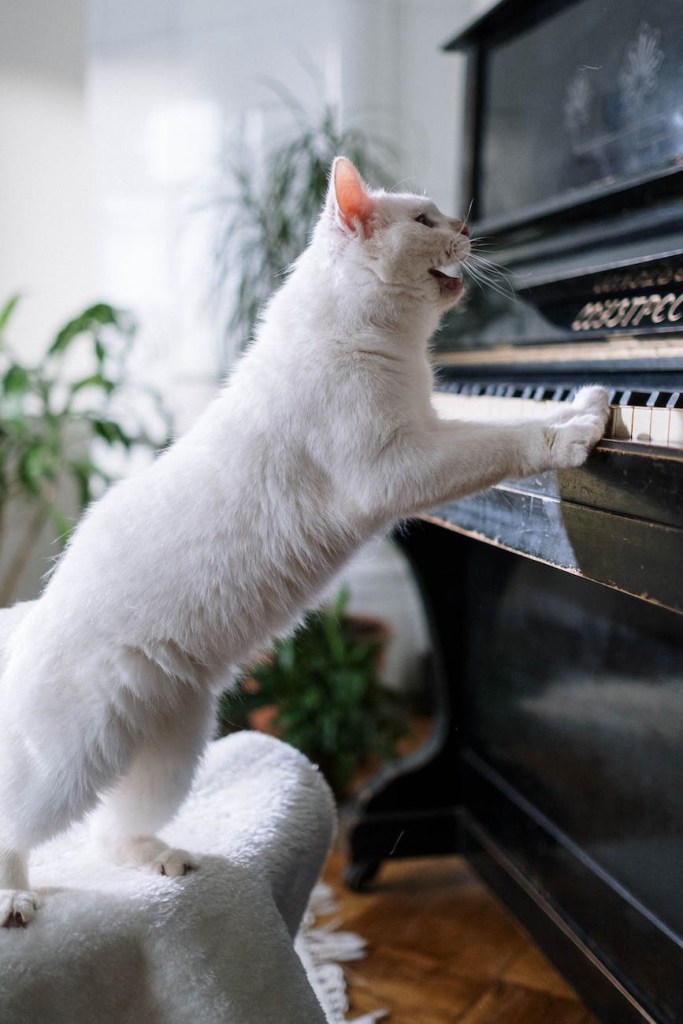
What are you curious about?
So I became more curious I read and I read and have spent my life reading , the internet has put answers at our fingertips but, beware, the answers are not always fact so I research answers.
🐈🐈⬛🐈 🐈⬛🐈🐈⬛ 🐈🐈⬛🐈 🐈⬛🐈🐈⬛
I am curious about conspiracy theories and the ones that have proven to be true over time. Firstly where do people dream up some of the wild ideas from then I become curious as too where any notion behind these ideas came from. Sometimes the wilder the theory the more chance there is to have some truth in it. It’s a curious subject.
🐈⬛🐈🐈⬛. 🐈🐈⬛🐈. 🐈⬛🐈🐈⬛
I have often thought how curious all these ghost sighting and ideas of parallel universes crossing over with ours at times. Alien sightings, UFO, the unexplained, I like to delve into these topics and see how many people have witnessed , was it a solo experience or mass hysteria. I am not going to say what I believe at this point but I think it’s a curious subject.
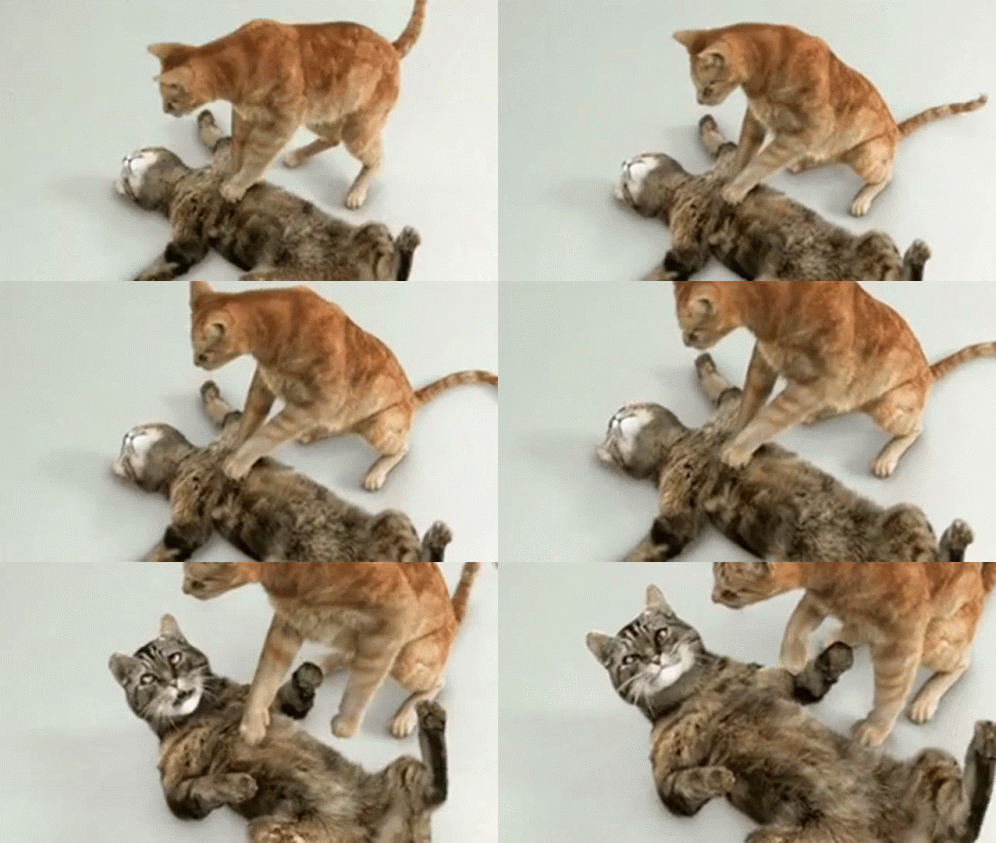
The saying of “curiosity killed the cat” originated in 1598 in a play that was written by Ben Johnson and adapted to by William Shakespeare. The original wording was: “Care killed the cat”.The first reference of the modern usage with “curiosity” dates back to 1873.
What is the meaning of Curiosity killed the cat, but satisfaction brought it back?
That last part really changes the meaning. The cat gets to live. Curiosity does not kill it.
So, we use the first half of the saying as a warning: Be careful of the dangers of unnecessary investigation or experimentation!
But the second part — “satisfaction brought it back” — shows that the risk might be worth it
The version with the added “but satisfaction brought it back” is, sometimes, falsely assumed to be the original version.
It’s first mention, however, does not date back as far as the aforementioned proverb. It was first recorded in 1905 and worded as “Curiosity killed a cat; but it came back”.
The first mention including “satisfaction” dates back to 1912
So here I sit and think about so many wondrous amazing things and then curiosity rises up and bubbles who thought ‘I know I will get a huge piece of hollowed metal fill it with people and think this will fly’ , and call it an airplane, lame name. But it did fly the curiosity shown was amazing. Lessons were learnt so um that cat 🐈⬛ walked away unscathed
🐈⬛🐈🐈⬛🐈🐈⬛🐈🐈⬛🐈🐈⬛🐈
Lastly I have a curious curiosity about words the bigger word and the more random the better. I would love to look for old words to re work into our language again. Who came up with the names – parts of the body have always bugged me I even tried to follow back and find answers, curiosity is a wonderful thing to have it makes the stars light up at night and the days a delight xxxx
Keep smiling my friends one of the best things you can do with your mouth – Kim Louise 🐈⬛🥰
 Bucket of Smiles
The origins of sayings and words is also one of my curiosities. 🙂
LikeLiked by 1 person
Wow. And I got curious and read. Thank you for this 💯
LikeLiked by 1 person